
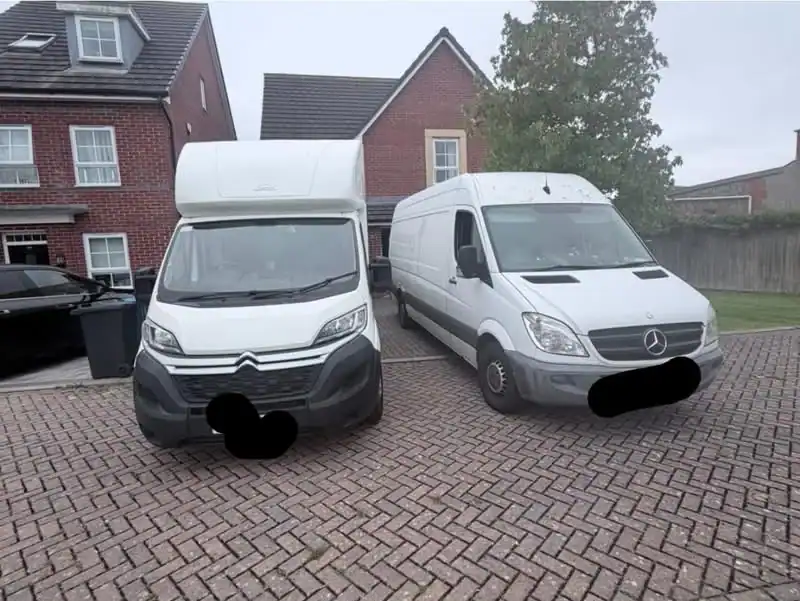
Selling one home and moving into another doesn’t always happen on the same day. Renovations may overrun, completion dates can change, or you may stay in temporary accommodation while searching for your next property.
For a larger household in Alderley Edge, the gap raises a practical question: what happens to everything you own in the meantime? A storage-related move needs a plan for collection, protection, storage access and eventual delivery.
Plan two separate journeys
A storage-related move usually involves collection from your home and delivery to storage, followed by collection from storage and delivery to your next home. The journeys may be weeks or months apart and each needs its own access and vehicle arrangements.
When requesting a quote, explain what you know and what is uncertain. You may know the storage address but not the final delivery postcode. Ask which work can be quoted now and what details will be needed later. JCT 20 Removals can discuss storage-related moves alongside our house removals service.
Separate storage from the essentials
Make a room-by-room inventory and divide belongings into items for storage, items for temporary accommodation, and valuables and documents to keep with you. Include the garage, loft, shed and garden; these can make a significant difference to the space and vehicles required.
Keep medication, identification, keys, chargers and important paperwork with you. Set aside clothes, work equipment, school items and pet supplies for your temporary stay. Clearly identify anything you might need to access while it is in storage.
Choose the right storage space
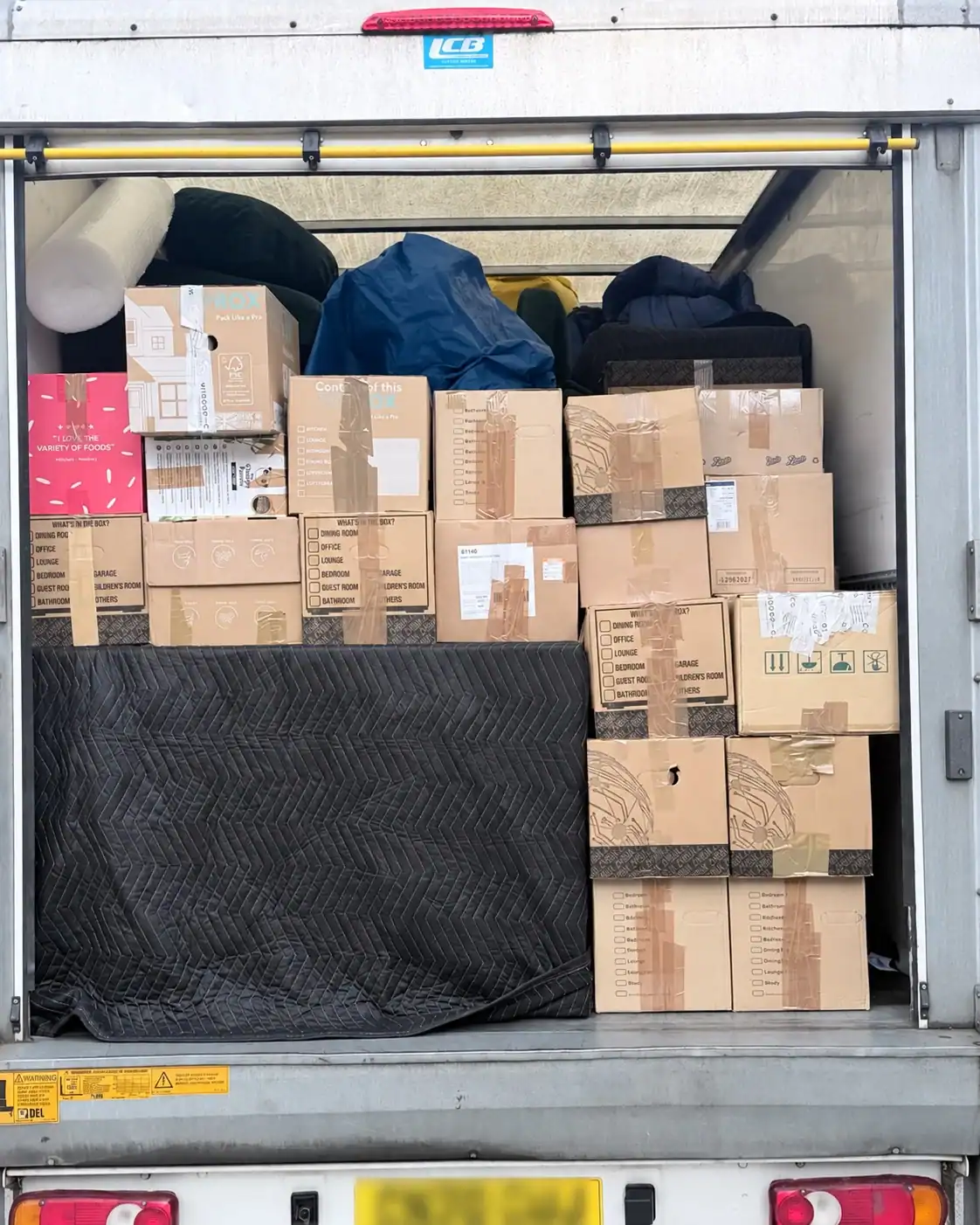
Storage requirements depend on the volume and shape of your belongings, not simply the number of bedrooms. Large furniture, garden equipment and the contents of outbuildings all matter. Share an inventory and photographs with the storage provider and removals team before choosing a unit.
Ask the facility about unit sizes, access hours, notice periods, prohibited items, insurance requirements and whether you can change unit size. Check the terms and cover limits yourself rather than assuming all belongings are automatically covered.
Check access at both ends
At the storage facility, ask about vehicle height restrictions, loading bays, lifts, trolleys and the carrying distance to the unit. Measure the lift if bulky furniture must fit inside, and check whether loading times need booking.
At home, tell your team about narrow gates, parking restrictions, steep drives, steps and long routes to the door. Photos showing the route from the road to the property can help. If your destination is not yet known, review access and the final delivery plan once it is confirmed.
Protect furniture for handling and storage
Furniture may be handled several times: leaving your home, entering storage, leaving storage and arriving at the new property. Discuss protection for each item. Padded removal blankets can fully cover furniture during handling and transport, with additional wrapping agreed where suitable. Ask what protection will remain in the unit and whether transport blankets are intended to stay there.
Tell the team about glass, high-gloss finishes, delicate items and existing damage. Discuss any particularly valuable pieces and check insurance terms. Agree which beds, wardrobes or tables need dismantling, how fittings will be labelled and whether reassembly is included in the later move. See our packing, dismantling and reassembly service.
Label boxes for the next home
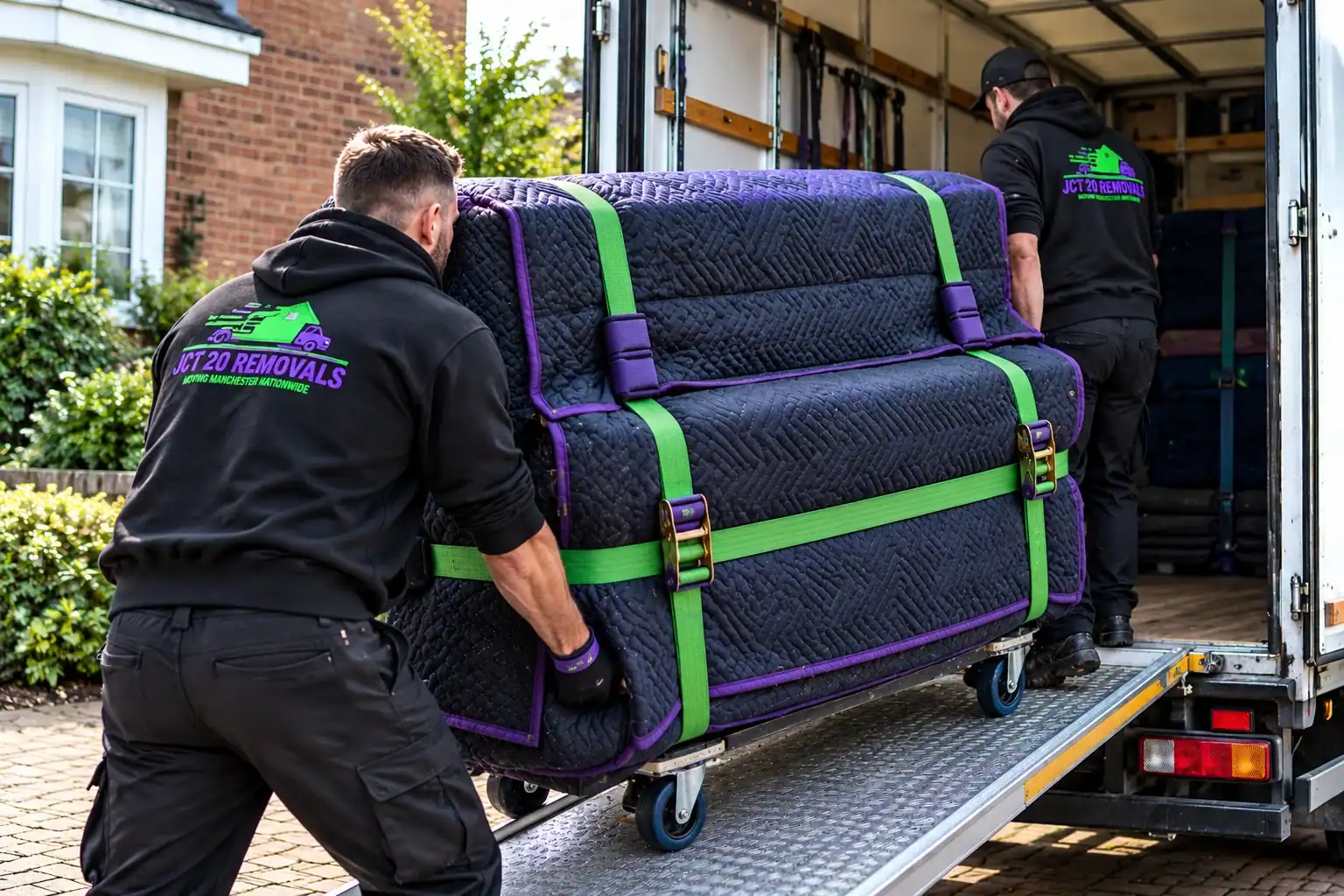
Even if you do not yet know the layout, label boxes by contents and priority: kitchen essentials, winter clothes, office cables or first-night bedding. Numbering boxes and keeping a list makes it easier to find something during the storage period.
Keep fittings and cables labelled with the item they belong to. Tell the team which boxes must remain accessible and which contain fragile items. Pack personal valuables separately and keep them with you.
Ask about restricted and specialist items
Storage providers may restrict food, liquids, aerosols, batteries, plants or hazardous items. Check directly before packing. Appliances may need to be emptied and prepared according to the manufacturer’s and storage provider’s instructions.
Raise pianos, antiques, artwork or other specialist items early. Explain their size, access and destination, and agree how they will be assessed, handled and covered.
What affects the cost?
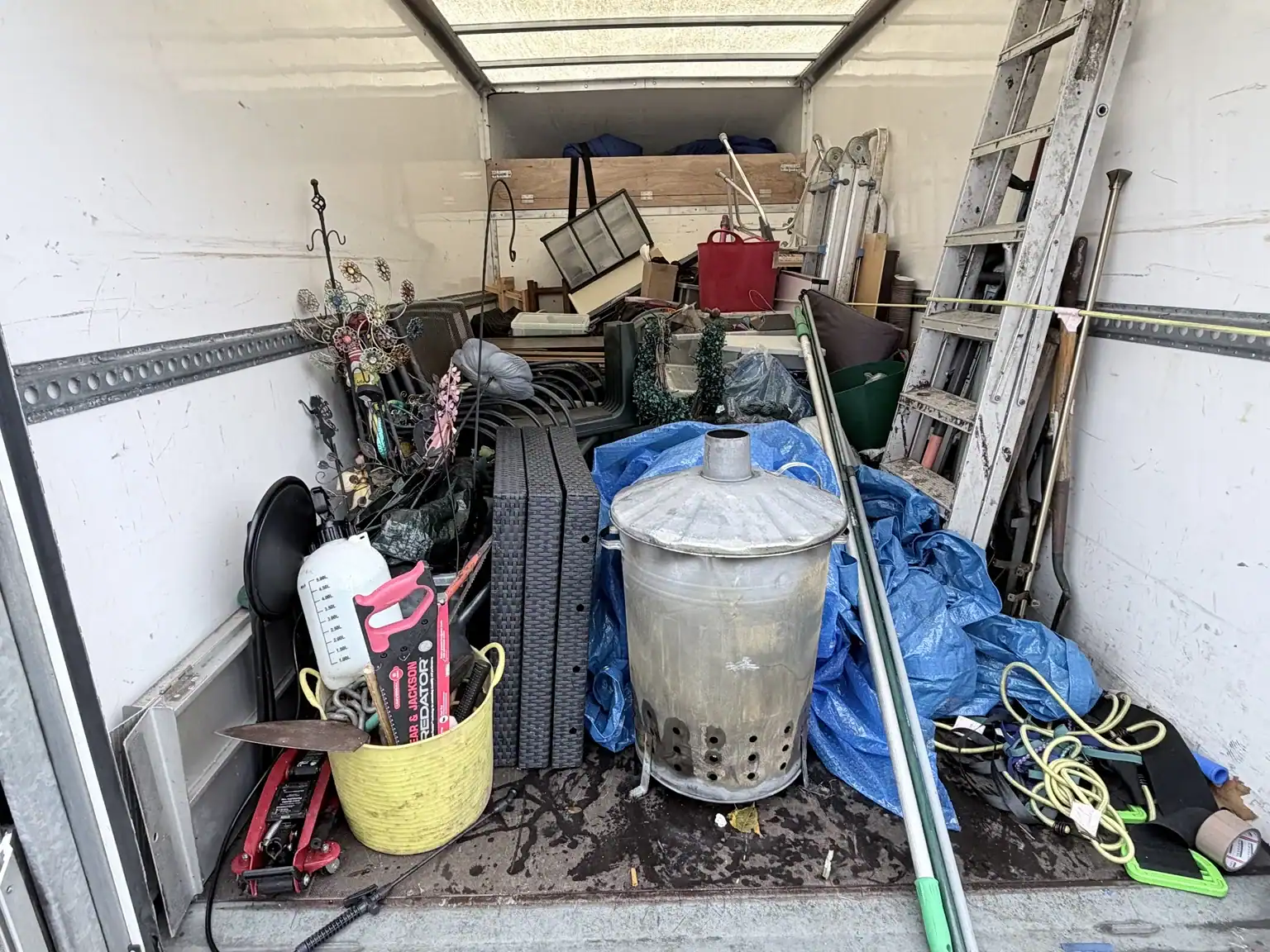
A quote depends on the amount being moved, access, crew and vehicle capacity, travel, packing and furniture preparation. If the final address is not yet known, the second journey may need a separate assessment. Check storage charges and cover directly with the facility.
Ask for the quote and booking terms to show what is included, including additional stops, waiting time and arrangements if dates change. Let the removals company know if the inventory changes before collection.
Questions to ask before booking
Can belongings go into storage before we have a new address?
Discuss the collection and storage delivery using the information available. Explain that the final destination is unconfirmed and ask how the onward journey will be arranged and quoted.
Can some items go to temporary accommodation?
An additional stop may be possible if agreed in advance. Provide the address, access details and a list of items so the team can plan it.
Can you deliver from storage to another part of the UK?
JCT 20 Removals provides nationwide and long-distance removals. Provide the storage address, destination postcode, inventory and expected dates for an assessment.
Request a quote for your Alderley Edge move
Tell us your collection postcode, storage address if known, expected dates, inventory and access details. Mention furniture requiring dismantling and anything going to temporary accommodation. Explore our Alderley Edge removals service or request a tailored quote.